
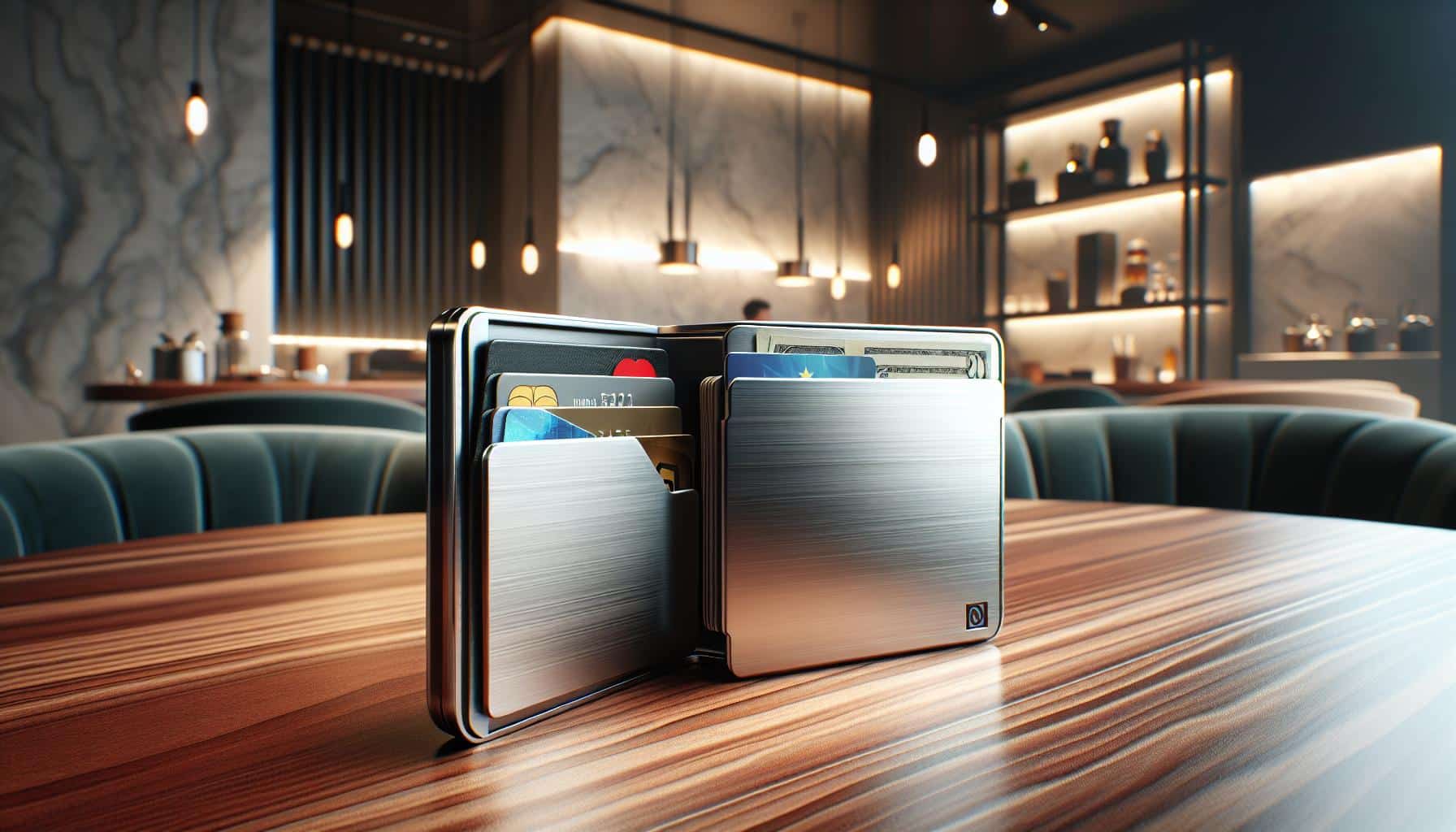

Metal Wallets: Materials, Features and How to Choose
A metal wallet is a compact alternative to a traditional leather wallet. It is designed to carry essentials such as payment cards, identification and cash while offering a modern, minimalist appearance. Common materials include aluminum, anodized aluminum and stainless steel.
The right choice depends on how much you carry and which features matter to you. Some models focus on slim card storage, while others add a money clip, elastic band or extra card slots. Features vary between products, so check the specifications of the particular wallet rather than assuming that every metal model works the same way.
Why Choose a Metal Wallet?
Metal construction can offer resistance to everyday wear while maintaining a rigid shape. Aluminum provides a relatively lightweight option, while stainless steel is suited to buyers who prioritize a sturdier feel. The material, finish and construction all affect how a wallet feels in a pocket or bag.
A compact profile is another common reason to consider this type of wallet. Slim designs encourage you to carry essential cards and a limited amount of cash instead of filling a larger wallet with rarely used items. However, capacity differs by model, and a highly compact wallet may not suit someone who regularly carries coins or many cards.
Some metal wallets may resist moisture, but water resistance is not universal. Check the maker’s specifications and care guidance if protection from rain or spills is important to you.
Understanding RFID-Blocking Features
Some metal wallets are marketed with RFID-blocking technology intended to prevent unauthorized scanning of RFID-enabled cards. This feature is not included in every metal wallet, so confirm that it is explicitly listed in the product specifications if it is part of your buying decision.
RFID blocking is a specific feature rather than a benefit you can assume from the word “metal” alone. Look for a clear description of the feature and identify which cards the wallet is designed to accommodate.
Common Types of Metal Wallet
Slim metal wallets
Slim metal wallets prioritize a compact shape. They commonly hold cards and may use an elastic band or clip to secure cash. This format can work well when you want a lightweight, discreet everyday carry, but it may provide limited room for coins or additional items.
RFID-blocking metal wallets
RFID-blocking models combine card storage with materials or construction intended to block unauthorized RFID scanning. Designs and finishes vary, allowing you to consider appearance alongside card capacity and access.
Models with cash storage
Some models include an integrated money clip or an elastic element for notes. If you often use cash, examine how securely the wallet holds it and whether you can reach it conveniently. Most metal wallets prioritize cards, and coin storage may be limited or absent.
Features to Check Before Buying
Material and construction
Aluminum, anodized aluminum and stainless steel are among the materials used for metal wallets. Consider the balance between weight, rigidity and durability that suits your routine. Also inspect how the plates, fasteners, bands or clips are assembled, because the wallet’s usefulness depends on its complete construction rather than the shell material alone.
Card capacity
Think about the cards you actually carry. A compact wallet may be appealing, but it still needs enough capacity for your payment cards and identification. Check the stated capacity and consider whether removing a card will remain convenient when the wallet is full.
Cash and coin handling
If you carry notes, look for a money clip, band or another clearly described cash-storage feature. Metal wallets can hold cash when designed to do so, but many models make card storage the priority. People who regularly carry coins should verify that the chosen design provides suitable space.
Security features
If RFID blocking matters to you, verify that the individual model includes it. Do not assume that every metal wallet provides the feature. Product specifications are also the appropriate place to confirm any claimed water resistance.
Size, access and style
Consider whether the wallet will fit comfortably in the pocket or bag where you plan to carry it. Review how cards are inserted and removed, and decide whether a clip, elastic band or multiple slots best matches your habits. Color and finish can then help you select a design that fits your personal style.
Is a Metal Wallet Right for You?
A metal wallet may suit you if you value a compact profile, rigid construction and a minimalist appearance. It can also be useful when you want a model with an explicitly stated RFID-blocking feature. A traditional or larger wallet may remain more practical if you carry many cards, receipts or coins.
Choose according to the specific model rather than broad assumptions about the category. Confirm its material, capacity, cash storage, RFID-blocking capability and water-resistance claims before deciding. That comparison will help you find a metal wallet that matches what you carry and how you use it each day.